Pest Fox · Adelaide pest & termite specialists
Rodent Control Adelaide Winter — Why Rats Move Indoors May-Aug | Pest Fox
By Pest Fox · Published 5 May 2026
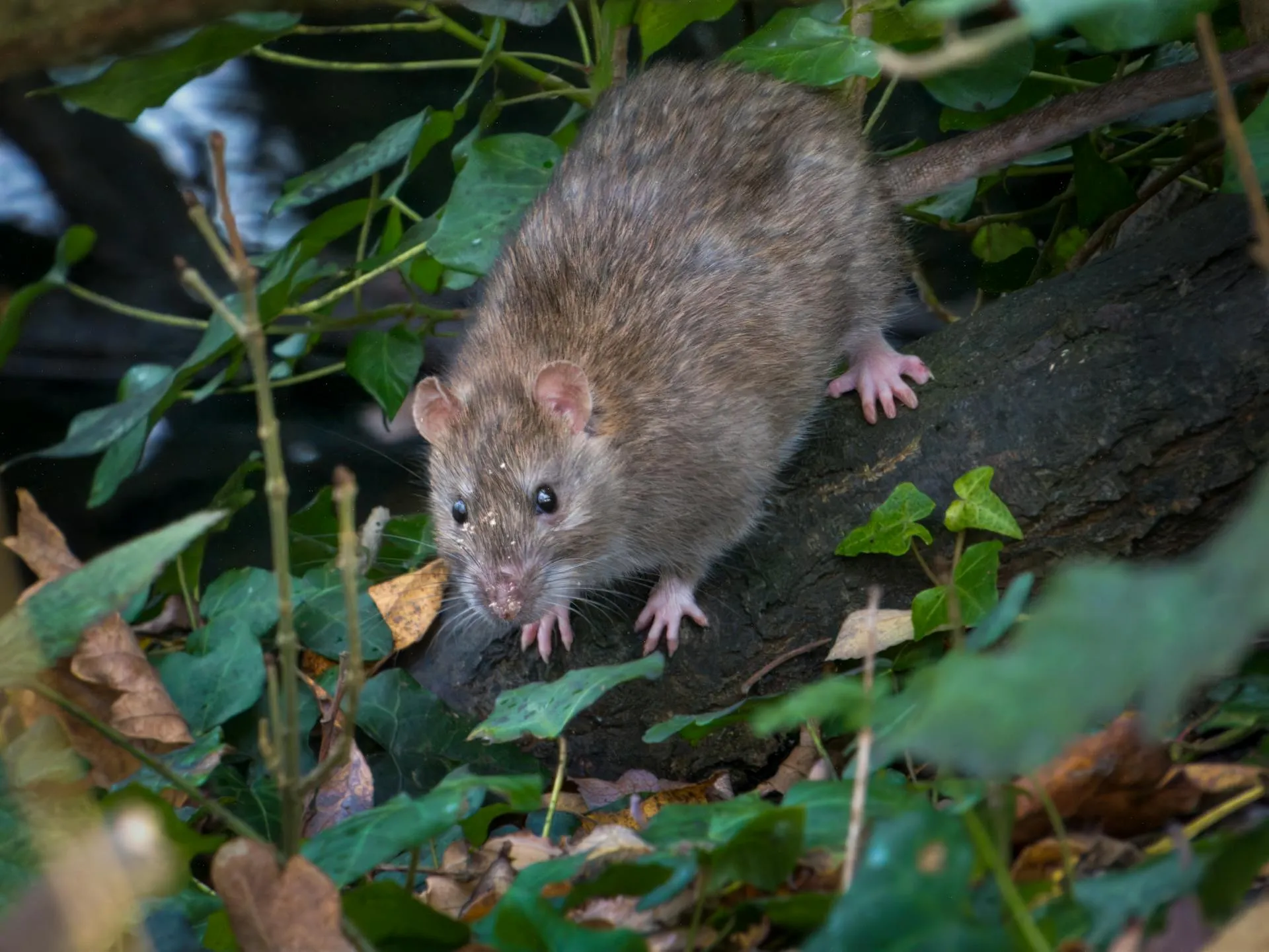
Rodent Control in Adelaide Winter — Why May to August Is When Rats Move In
Cooling autumn temperatures and reduced outdoor food drive Adelaide’s rats and mice indoors from May through August. The roof void warmth, the wall-cavity shelter, and a kitchen with food residue and water are exactly the microclimate the species are tracking. Adelaide carries all three commensal rodents — the Norway rat (Rattus norvegicus), the ship/roof rat (Rattus rattus), and the house mouse (Mus musculus) — and the species you have determines the treatment, the entry-point review, and the bait strategy. The 2026 APVMA reforms restrict over-the-counter access to second-generation anticoagulant rodenticides (SGARs) but do not restrict use by licensed pest management technicians. That is a meaningful gap between what a homeowner can buy at a hardware store and what a licensed operator can deploy.
This article covers identifying the rodent you have, why winter is the indoor migration window, what a licensed treatment looks like under the post-2026 framework, and where Adelaide’s high-pressure suburbs are.
The three Adelaide rodent species and how to tell them apart
Identification matters. Norway rat treatment is different from roof rat treatment is different from mouse treatment. The technician looks at droppings, gnaw patterns, travel routes and sightings to confirm species before placing chemistry.
Norway rat (brown rat) — Rattus norvegicus
- Size: 18-25 cm body, 350-500 g adult.
- Build: Heavy, stocky, blunt nose, small ears relative to head.
- Tail: Shorter than body, thick.
- Where it lives: Ground-level — burrows, sub-floors, sewers, rubbish bin compounds, under sheds, around compost heaps. Norway rats are poor climbers; they do not live in roof voids.
- Droppings: 17-22 mm, blunt-ended, dark.
- Adelaide pressure: Inner CBD, high-density commercial precincts, properties with sewer-line proximity, rubbish-bin shared compounds, restaurants and cafés.
Ship rat / black rat / roof rat — Rattus rattus
- Size: 16-20 cm body, 150-250 g adult.
- Build: Slender, agile, pointed nose, large ears.
- Tail: Longer than body, thin, prehensile.
- Where it lives: Roof voids, wall cavities, mature trees, climbing routes via vines and fences. Excellent climber. The dominant rat in Adelaide suburban roof spaces.
- Droppings: 12-15 mm, pointed-ended, dark.
- Adelaide pressure: Suburban tree-lined streets, mature gardens, fruit trees, eucalypt-flanked properties. Heavy in inner-east villa stock and in bushland-fringe Hills/foothills suburbs.
House mouse — Mus musculus
- Size: 7-10 cm body, 12-30 g adult.
- Build: Small, light, large ears, pointed nose.
- Where it lives: Wall cavities, kitchen cupboards, behind appliances, in stored boxes and pantries. Will live anywhere food and water are accessible. Highly adaptable.
- Droppings: 3-7 mm, pointed-ended, often scattered.
- Adelaide pressure: Ubiquitous. Every Adelaide suburb. Especially heavy in older homes with cracked skirtings, multi-unit rentals, and any property near agricultural land or grain storage.
Quick differentiation by sign
| Sign | Norway rat | Ship rat | Mouse |
|---|---|---|---|
| Where you find droppings | Ground level, sub-floor, near bin areas | Roof void, wall top plates, rafter junctions | Cupboards, pantry, behind appliances |
| Travel route | Ground, fence-line, ledges | Climbs — wires, fences, branches, drainpipes | Walls, cabinet voids |
| Sound at night | Heavy thumping, low-pitch | Scampering on rafters, ceiling running | Faint scratching in walls |
| Gnaw marks | Aggressive, large | Surface gnawing, wire damage | Small, careful, often around food packaging |
| Entry-point size | 25 mm + | 12 mm + | 6 mm + |
A 6 mm gap is enough for a mouse. That is the size of a typical pencil. The implication: mice get into almost any building.
Why winter brings them indoors
Three structural drivers, all biologically straightforward:
- Temperature. Adelaide’s winter average minimums sit around 7-9°C through June-August, with overnight lows below 5°C in inland and Hills suburbs. Both rat species are commensal — they evolved alongside human structures specifically because the heated indoor environment outperforms the outdoor winter. Roof voids in Adelaide stay 5-10°C warmer than outdoor overnight in winter.
- Food source contraction. Outdoor food — garden insects, fruit, seed, agricultural waste — drops as temperatures fall. Indoor food (kitchen waste, pet food, stored grain, compost) becomes the more reliable target.
- Breeding cycle. Mouse breeding does not slow significantly in mild Adelaide winters. A single female mouse can produce 5-10 litters per year of 5-7 young each. A small early-winter incursion of a few mice becomes a meaningful population by late spring if untreated.
The implication: the optimal treatment window is late autumn (April-May) — before the indoor population is established, while the entry points are still identifiable from outside, and while bait acceptance is high.
Identifying a rodent infestation in your Adelaide home
Most homeowners catch rodent activity through one of six signs:
- Droppings. The most-reliable identification. Size, shape and location point to species (see table above). Look in roof void access hatches, behind kitchen kickboards, on top of cupboards.
- Gnaw marks. Wood, plastic, soft metal, food packaging. Rats gnaw structurally; mice nibble.
- Rub marks. Rats and mice follow established travel routes and leave dark grease marks on surfaces they brush against repeatedly. Look along skirtings, on rafters at ridge crossings, around wall-cavity entry points.
- Nest material. Shredded paper, fabric, insulation pulled into a hollow space. Found in roof voids, behind appliances, in storage boxes.
- Sounds at night. Scampering, scratching, gnawing — typically peak around 22:00-02:00.
- Ammonia odour. Established populations (especially mouse) produce a distinctive ammonia smell from concentrated urine. Often the first sign in a wall cavity infestation.
How a licensed treatment works post-2026
The April 2026 APVMA SGAR reforms changed the over-the-counter retail landscape but left the licensed-operator framework largely intact. The full detail is in the new rodent rules APVMA 2026 article; the short version for residential winter rodent work:
What changed
- Second-generation anticoagulant rodenticides (SGARs) — brodifacoum, bromadiolone, difenacoum, difethialone, flocoumafen — are restricted from over-the-counter retail sale to consumers.
- First-generation anticoagulants and other classes — warfarin, coumatetralyl, cholecalciferol — remain available for OTC retail.
- Licensed pest management technicians retain access to SGARs for use in tamper-resistant stations under the existing label conditions, with documentation.
What a licensed Adelaide winter rodent program looks like
A standard residential program runs through five elements:
1. Inspection and identification. The technician walks the property — exterior perimeter, roof void access, sub-floor where accessible, kitchen and pantry — and identifies species, scale and entry points.
2. Entry-point sealing. Identified entry points (eave gaps, weep-holes too large, plumbing penetrations, gable vents without screens, gaps where fascia meets brick) are sealed with hardware mesh, sheet metal, expanding foam reinforced with mesh, or rebedded mortar. Sealing is the durability of the treatment — bait reduces the population, sealing prevents the next one.
3. Tamper-resistant exterior bait stations. Around the building perimeter at 5-15 m intervals depending on property scale, with the rodenticide chemistry matched to the species and the property’s risk profile (pets, children, native wildlife exposure). APVMA-registered first-generation anticoagulants for lower-pressure scenarios; SGARs in tamper-resistant stations for higher-pressure scenarios where the licensed operator’s documentation supports the choice.
4. Interior monitor traps in voids. Snap traps and glue boards in the roof void, behind appliances, and in active travel routes. Bait stations are not used inside living spaces — the secondary-poisoning risk to pets and the carcass-decay smell in inaccessible voids both argue for traps interior.
5. Follow-up at 7-14 days, then 21-28 days. Trap counts, bait consumption, fresh sign assessment. The treatment is not “done” until two consecutive checks show no fresh activity.
Pets, kids and bait safety
- Tamper-resistant stations are the design feature that makes exterior baiting safe around pets and children. The station is a sealed plastic housing with bait inside; only a rodent of the right size can access it.
- Secondary-poisoning risk to native wildlife and pet animals is the primary reason the SGAR reforms tightened OTC access. Birds of prey, owls, and raptors that consume rodents that have eaten SGAR bait can accumulate the active ingredient. Licensed operator use in tamper-resistant stations with the correct documentation reduces but does not eliminate this risk; lower-toxicity classes are preferred where possible.
- Pet exposure to a poisoned rodent — a dog or cat that catches and consumes a rodent that has fed on bait can be at risk depending on the chemistry and the rodent’s bait load. Vet attention is the right move for a known exposure.
For pricing context, residential Adelaide rodent treatment programs typically sit in the pest control cost guide range — single-species single-incursion at the lower end, multi-species established infestations with extensive entry-point work at the higher end.
Why DIY winter rodent control often fails
The retail rodent product set has structural limitations:
- Single-bait-station approach. A single station against the back fence does not represent the population’s travel routes. Rodents have territories; one station catches a fraction of the population and the rest remain.
- Population rebound. Killing 50% of a rodent population without sealing entry points leads to rapid replacement — the survivors breed, and the surrounding neighbourhood population fills the territory.
- Neophobia. Adult ship rats (R. rattus) in particular show neophobia — avoidance of new objects in the environment. A new bait station ignored for the first 2-3 weeks is normal. DIY treatment often abandons the bait before acceptance has occurred.
- OTC chemistry is first-generation. Lower potency, requires multiple feedings to reach lethal dose. Where the population is dispersed across multiple harbourages, the multiple-feed requirement is harder to meet at consumer-level placement density.
- No entry-point work. A retail bait without sealing is a maintenance program, not a treatment — you are feeding the population without reducing the entry points they use.
DIY rodent control can work for a single mouse incursion in early autumn before the population establishes. For confirmed rat activity in the roof, multiple-cavity mouse activity, or any infestation showing damage signs, a licensed program is the move.
Adelaide hotspots
Where winter rodent pressure runs heaviest:
- Salisbury and Tea Tree Gully — high-density estate housing with bushland-fringe habitat in the Adelaide Plains. Roof rats heavy. The northern suburbs location page covers the cluster.
- Two Wells, Virginia, Angle Vale — market-garden adjacency. Established rat populations on agricultural feed sources move into nearby residential roofs in winter.
- CBD and inner-ring (Adelaide, North Adelaide, Hindmarsh, Bowden) — sewer-line Norway rat pressure. Restaurant precinct overlaps drive commercial rat activity that crosses into adjacent residential.
- Inner-east villa stock (Norwood, Walkerville, Unley) — heritage roofs with multiple eave gaps, ridge-cap clearances, ageing weep-holes. Roof rat pressure is constant; winter brings indoor migration.
- Bushland-fringe Hills (Stirling, Aldgate, Crafers) — surrounding bush is rodent habitat; winter pushes pressure onto residential roofs.
A possum in the same roof void is a different problem with different rules — see the Adelaide possum removal guide for the protected-species protocol.
When to call us
- Confirmed droppings in a kitchen cupboard, pantry, or roof void — even a small quantity. Rodent populations grow fast in winter.
- Sounds at night in the roof or walls.
- Gnawed wiring — fire risk; do not delay.
- Visible rodent in daylight — usually indicates a population large enough to push individuals into daytime activity.
- Multi-unit rental with shared structural voids — single-unit treatment is limited; building-wide work is the right approach and the landlord should be involved.
- Pre-winter (April-May) preventive inspection on properties with prior rodent history or bushland-fringe location.
FAQ
When do rats move into Adelaide roof voids? Roof rats (Rattus rattus) typically migrate into Adelaide roof voids from late April through August as overnight temperatures drop and outdoor food contracts. May and June are peak entry months. The optimal preventive treatment window is late April / early May — before the indoor population is established and while entry points are still identifiable from outside.
How do I get rid of rats in my walls in Adelaide? A licensed rodent program combines species identification, comprehensive entry-point sealing (the durability), tamper-resistant exterior bait stations with chemistry matched to the species, interior snap traps in active travel routes, and follow-up at 7-14 days and 21-28 days. Surface bait alone without sealing leads to population replacement; sealing alone without bait does not address the resident population. Both are needed.
Are rat baits safe for pets in Adelaide? Tamper-resistant exterior bait stations are designed so that pets and children cannot access the bait — the housing is the safety feature. Secondary poisoning is a real risk if a pet consumes a poisoned rodent: any known exposure should go straight to the vet, with the bait chemistry information so the vet can match the antidote (vitamin K1 for anticoagulant exposure). The 2026 APVMA reforms restricted OTC SGAR access partly to reduce secondary-poisoning incidents in pets and native wildlife.
What’s the difference between a rat and a mouse infestation? Size (rats are 150-500 g, mice 12-30 g), dropping size and shape (rat droppings 12-22 mm pointed or blunt; mouse droppings 3-7 mm), travel routes (rats follow established routes with rub marks; mice are more dispersed), and entry-point size (rats need 12-25 mm gaps; mice get through 6 mm). Treatment differs accordingly — rat work focuses on perimeter sealing and exterior bait stations; mouse work focuses on internal cavity treatment and food-source elimination.
Will rodents come back after treatment in Adelaide? A treatment that includes thorough entry-point sealing prevents the same population returning. New populations from the surrounding area can probe the property over weeks to months — bushland-fringe and agricultural-adjacent suburbs see this regularly. A 6-monthly or annual maintenance inspection catches re-incursion before it establishes, and is the standard posture on high-pressure properties.
Sources
- Australian Pesticides and Veterinary Medicines Authority (APVMA) rodenticide regulatory framework: https://apvma.gov.au
- Bureau of Meteorology — Adelaide (Kent Town) climate averages: https://www.bom.gov.au/climate/averages/tables/cw_023034.shtml
- CSIRO — Rodent research and pest management: https://www.csiro.au/en/research/animals/pests/rodents