
Pest Fox · Planning guides
Cockroach treatment follow-up questions
By JR Digital Services editorial team · Published 6 November 2026
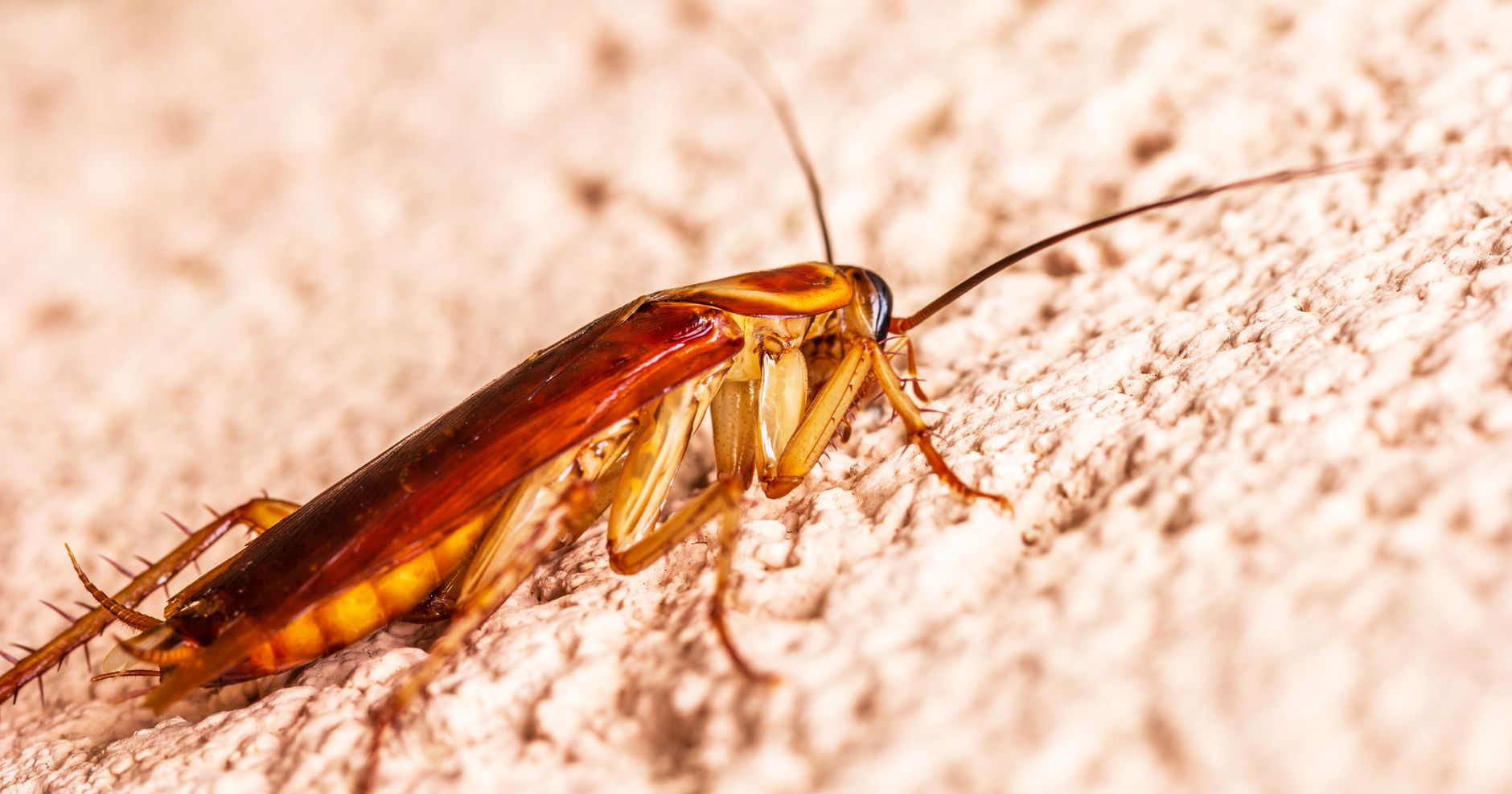
Illustrative stock photograph, not a local project or provider’s work. Photo: Jari Lobo. Pexels License.
After a cockroach treatment, the most useful thing you can do is record what you observe — where, when, and how many — and understand exactly what your provider has asked of you in writing. That information shapes whether a follow-up visit is warranted and helps the technician assess whether the approach needs to change.
Why follow-up inspection and monitoring is part of effective cockroach control
The Victorian Department of Health’s cockroach pest control guidance lists follow-up inspection and monitoring as a distinct fourth step in effective cockroach control, alongside initial inspection, sanitation measures, and pesticide application. The guidance lists follow-up as part of effective control. Ask what monitoring and return visits your own written service agreement includes. The same source notes that effective control relies on the education and co-operation of residents in the infested area.
Use that source’s follow-up step as a prompt to ask about your actual service: what observation period, monitoring and return visits are proposed, and what is included in the agreement? Report the locations you have noticed, such as under a sink or around an appliance, without assuming a fixed number of visits is needed.
Finding the actual instructions your provider left
Before making observations or contacting the provider, locate the written documentation from the visit. Ask who performed the pesticide work, how they were authorised for that task and which approved product instructions applied. The provider should have left you with documentation covering what was applied, any re-entry or precautionary period, and what follow-up they expect.
If you cannot find that documentation, your first call to the provider should simply be to request a copy. Ask specifically:
- What products were used and in what locations?
- What re-entry or ventilation period applies?
- What observations are they asking you to record?
- When and how should you contact them if activity continues?
Do not rely on verbal summaries — written records help you accurately recall the instructions you were given.
What observations are worth recording after treatment
Cockroaches are generally nocturnal. The Victorian government’s guidance notes that cockroaches observed during the day are often indicative of a large infestation. After treatment, you may see activity — including dead or dying cockroaches — and this does not automatically mean the treatment has failed. What matters is the pattern over time.
Keep a simple log. Note:
- Date and approximate time of observation
- Location (room, specific area — under sink, near fridge, in bathroom)
- Whether the cockroach was live and active, sluggish, or dead
- Any signs beyond live insects: faecal pellets, faecal smears, egg cases, or cast skins
The same government source describes what inspectors look for — live or dead cockroaches, faecal pellets (small dried particles), faecal smears, cast-off skins, and empty egg cases — and those are exactly the signs worth documenting after treatment too. This log gives your provider something concrete to assess on a return visit.
Hypothetical scenario: what a useful observation record might look like
This is a hypothetical illustration of the kind of information a provider might find useful, not a customer story or an assurance of any outcome.
Imagine a household where German cockroaches were treated in the kitchen. The resident logs each sighting — location, whether live or dead, time of day. Over time, a pattern emerges: live activity declining, dead finds increasing, then no further sightings. That pattern is meaningfully different from one where live activity continues at the same level across multiple observation periods. The log lets the resident describe the pattern clearly when they contact the provider, rather than just saying “I’m still seeing cockroaches.”
Contrast that with a scenario where a resident sees one cockroach in an entirely different room — a bedroom — during the observation period. The Victorian guidance notes that sightings in areas of the house beyond the kitchen can indicate a large infestation. That is a specific observation worth raising directly with the provider. How quickly any change in activity should be expected, and what level of ongoing activity would prompt a return visit, are questions for your licensed technician based on the specific treatment carried out.
Questions about when and how to contact the provider
Different providers set different expectations for contact timing. At the end of the service, ask the technician directly:
- What level of activity would prompt you to want a callback?
- Is there a specific timeframe after which a return visit is included?
- How do you prefer contact — phone, email, the booking system?
- What information do you want me to have ready when I call?
A WA government consumer resource on choosing a pest management business suggests asking at the end of the service what to expect in the coming days, when to expect improvement, and when to call back if the pest issue remains. Those are reasonable questions to put to any provider, regardless of jurisdiction.
Do not assume a return visit is automatic or free — confirm the terms at the time of the original visit.
Preparing information for a return assessment
If a return assessment is booked, your observation log becomes the basis of that conversation. Before the technician arrives, prepare:
- Your written record of sightings by date, location, and type
- Any changes you have made since the initial visit (new food storage arrangements, sealing of cracks, removal of clutter or unnecessary water sources)
- Any areas you were asked to empty or prepare but could not access
- Questions about what the technician will check on this visit
The Victorian guidance notes that effective control requires measures to reduce access to food, water, and shelter — including sealing cracks and crevices, storing food in sealed airtight containers, emptying bins regularly, and removing unnecessary containers of water. If sanitation measures were recommended but are still incomplete, noting that honestly helps the technician give an accurate picture of why activity may be continuing.
Keeping follow-up questions separate from treatment mechanisms
It is worth separating two different kinds of questions after a cockroach treatment. The first kind is practical and administrative: what am I seeing, when should I call, what does a return visit include? Those are questions you can and should put to your provider directly.
The second kind involves the specific product, dose, application method, or retreat decision — questions about how a re-treatment should be carried out if one is needed. Those decisions belong to the licensed technician, who must apply chemicals in accordance with label directions and their own professional assessment of the situation. This article does not cover treatment mechanisms, and no general information source should substitute for the technician’s on-site evaluation.
If the concern is about authorisation for the original pesticide work, request the business and technician details, relevant endorsements and any supervision, recognised interstate or exemption arrangements relied on. SA Health’s licensing guide describes these pathways; Controlled Substances Licensing can confirm unclear details. Keep a complaint about the original work separate from asking what a new assessment or return visit includes.
If you would like a referral where available
If you have specific follow-up questions after a cockroach treatment and would like to explore whether a referral to a licensed Adelaide pest management technician is possible, you are welcome to submit an enquiry through this site’s contact form. We are an independent referral publisher; we cannot guarantee availability or provider outcomes.
Further reading
- Pest treatment product information questions
- Pest control around pets consultation
- Pest control around food preparation areas
- Pest-control visit preparation checklist
- German cockroach treatment Adelaide
Sources
-
Cockroaches – pest control, Department of Health Victoria: https://www.health.vic.gov.au/environmental-health/cockroaches-pest-control
-
Pest control licence, SA.Gov.au: https://www.sa.gov.au/topics/business-and-trade/licensing/building-and-trades/pest-control-licence
-
How to choose a pest management business, Healthy WA: https://www.healthywa.health.wa.gov.au/Articles/F_I/How-to-choose-a-pest-management-business
-
SA Health — Guide for pest controllers and pest management technicians