
Pest Fox · Planning guides
Termite inspection access checklist
By JR Digital Services editorial team · Published 6 November 2026
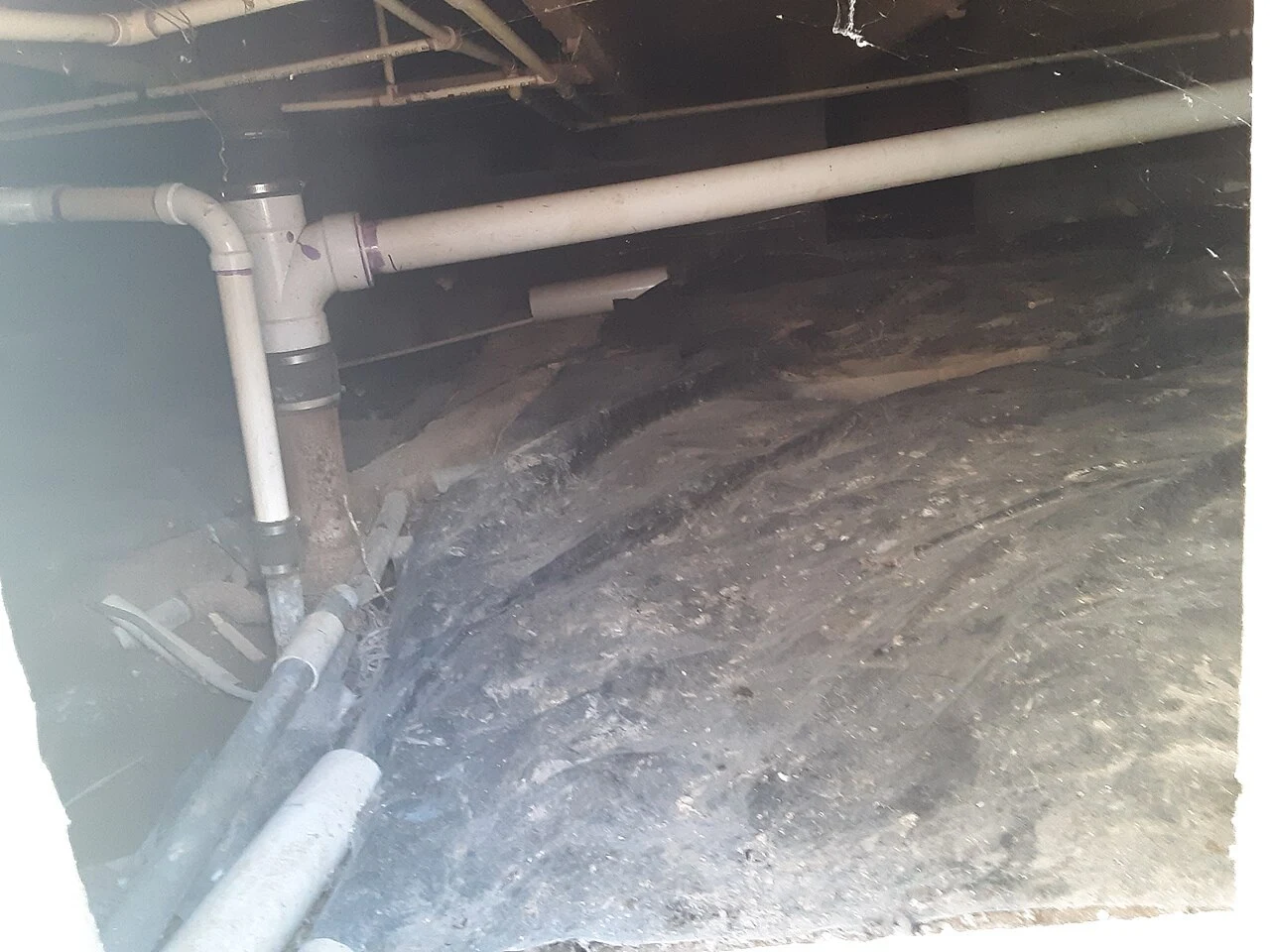
Illustrative under-house access photograph; no termites or pest diagnosis are shown. Photo: Crawlspace under house.jpg — TradeCrawlspaces. CC BY-SA 4.0. Proportional resize and WebP encoding; no content alteration. Image derivative retains CC BY-SA 4.0.

Before a termite inspection, the most useful thing you can do is ask the inspector what specific access they need for your property — not guess, not investigate yourself, and not move things without direction. Access requirements vary by property type, construction era and what areas the inspector intends to check. The right starting point is a direct conversation with the person carrying out the work.
Why access matters so much to the inspection outcome
Ask how the agreed inspection method and access limitations affect what the inspector can conclude. Which areas will be recorded as uninspected, why, and what further assessment might be recommended? Confirm the report’s actual scope and applicable standard rather than assuming every inspection has the same documentation requirements. The Victorian government’s environmental health guidance on termite pest control notes that pest control operators should suggest ways for homeowners to reduce conducive conditions — including ensuring subfloors are well ventilated and that soil is not impinging upon inspection zones. That framing is useful: the inspector is looking for evidence of activity and the conditions that support it, not simply running through a checklist. Access to those spaces is what makes their assessment meaningful.
Because the inspector’s scope and methods differ from property to property, the best preparation is to ask them directly — before the appointment — what they need from you.
Asking the inspector what access they need
When you book a termite inspection in Adelaide, the inspector should be able to tell you:
- Which internal areas they intend to access (rooms, cupboards, built-ins, wall cavities where visible)
- Whether they need subfloor access and what clearance they require
- Whether they intend to inspect the roof void, and what hatch or access point they’ll use
- Whether outbuildings, fences or garden structures are within scope
- What equipment they’ll bring (probe, moisture meter, thermal camera) and whether anything needs to be temporarily moved to allow use of that equipment
Ask specifically about locked areas — sheds, granny flats, storage rooms, basement spaces. If you know there is a padlocked subfloor access hatch or a roller door to a storeroom, mention it when booking so the inspector can tell you whether they need a key and what to arrange.
Describing locked areas and stored items clearly
An inspector cannot assess what they cannot reach. When you speak to them before the appointment, give a plain description of anything that might limit access:
- Storage rooms or areas with floor-to-ceiling shelving or stacked goods in front of wall timbers
- Subfloor hatches that are blocked, locked or located under installed cabinetry
- Roof void access points above wardrobes or in areas with built-in furniture below
- Garden sheds that are padlocked or heavily stacked
- Under-stair spaces enclosed by fixed panels
You don’t need to clear everything before you speak to them — ask the inspector what matters for their method and how any inaccessible area affects the assessment and its conclusions. Some areas may simply be recorded as not inspected due to access limitations, which is a standard and legitimate outcome, provided it is documented properly in the report.
Clarifying safe arrangements before the visit
A few practical questions are worth raising before the inspector arrives:
Pets: Ask whether pets need to be secured or removed from the premises during the inspection. This is a safety and practicality question for both the animals and the inspector’s ability to work freely.
Children: Depending on your property and what the inspector intends to access, the inspection may involve working in confined or elevated spaces and using detection equipment. Ask whether any areas need to be clear of children during the visit.
Timing: If the inspector needs subfloor or roof void access, ask how long they’ll need in those spaces so you can plan your day. Ask for an estimate for your actual property and agreed scope rather than inferring duration from the building’s age or size.
Items near skirting boards and wall bases: If you have furniture, pot plants or stored items sitting directly against external walls — particularly in areas like laundries, garages and bathrooms — ask whether the inspector needs clear access to wall bases in those rooms. The Victorian government guidance notes that homeowners should avoid storing wood directly on soil, under, around or in contact with buildings. Whether keeping household items clear of wall bases in your specific rooms is relevant to your termite inspection is a question worth raising with your inspector when you discuss access.
Hypothetical scenario: what an access gap looks like in practice
This is a hypothetical example to illustrate the kind of information gap that can arise — not a customer account.
Imagine a Norwood villa with a suspended timber floor. The subfloor hatch is in a laundry corner, behind a large chest freezer. If the inspector arrives without prior warning and cannot move the freezer alone, they may need to record the subfloor as inaccessible. That means the subfloor frame and piers cannot be assessed on that visit. A short phone call before the booking could have confirmed what needed to be moved, by whom, and whether the owner wanted to arrange it in advance.
Recording inaccessible areas for the inspector
If there are areas you genuinely cannot clear — a storeroom with another person’s belongings, a subfloor hatch sealed since purchase, an outbuilding with broken lock hardware — write them down and tell the inspector at the start of the appointment. This helps them document limitations accurately in their report rather than simply noting a space as unchecked without context.
The NSW Government’s guidance on pre-purchase inspection reports — which covers building inspections under a NSW consumer context, not termite inspections specifically — notes that such reports should include a list of any area or item that wasn’t inspected, the reasons it wasn’t inspected, and if necessary a recommendation for further investigation. What documentation requirements apply to your specific termite inspection report will depend on the scope agreed with your inspector and the standard under which the inspection is conducted. Ask your inspector what their report will record where access is limited.
Keeping preparation separate from an inspection-method guide
This article is about access preparation — the conversations you have before the inspector arrives and the practical steps you take to give them the best chance of doing their job thoroughly. It is not a guide to interpreting what they find, selecting a treatment, or assessing termite risk yourself.
If you’re preparing for a pre-purchase inspection specifically, the pre-purchase termite inspection guide covers what an AS 4349.3-2010 report includes and what areas it will and won’t address. For a broader overview of what an Adelaide inspection covers across different property types, the termite inspections Adelaide guide is a useful companion. If you’d like to compare the scope of a treatment proposal after your inspection, see the termite proposal scope comparison.
When booking, ask whether the visit is inspection only or includes any pesticide work, and what qualifications and authorisation apply to the actual tasks. For pesticide work, SA Health’s guide describes business and technician licences, endorsements, supervision, recognised interstate arrangements and exemptions. Ask which arrangement applies and contact Controlled Substances Licensing if details are unclear; do not assume that every inspection or report has identical licensing requirements.
Requesting possible follow-up or referral
If you would like to be connected with a termite inspector in Adelaide, you can submit an enquiry through this site. We are an independent lead-referral publisher — not a pest control business — and cannot guarantee availability or the specifics of any individual operator’s access requirements. Those questions should be directed to the inspector at the time of booking.
Further reading and sources
-
Victorian Department of Health – Pest control – termites
-
SA Government – Pest control licence
-
NSW Government – Pre-purchase inspection reports
-
SA Health — Guide for pest controllers and pest management technicians