Pest Fox · Adelaide pest & termite specialists
Termite Treatment Cost Adelaide 2026 — Real Ranges | Pest Fox
By Pest Fox · Published 5 May 2026
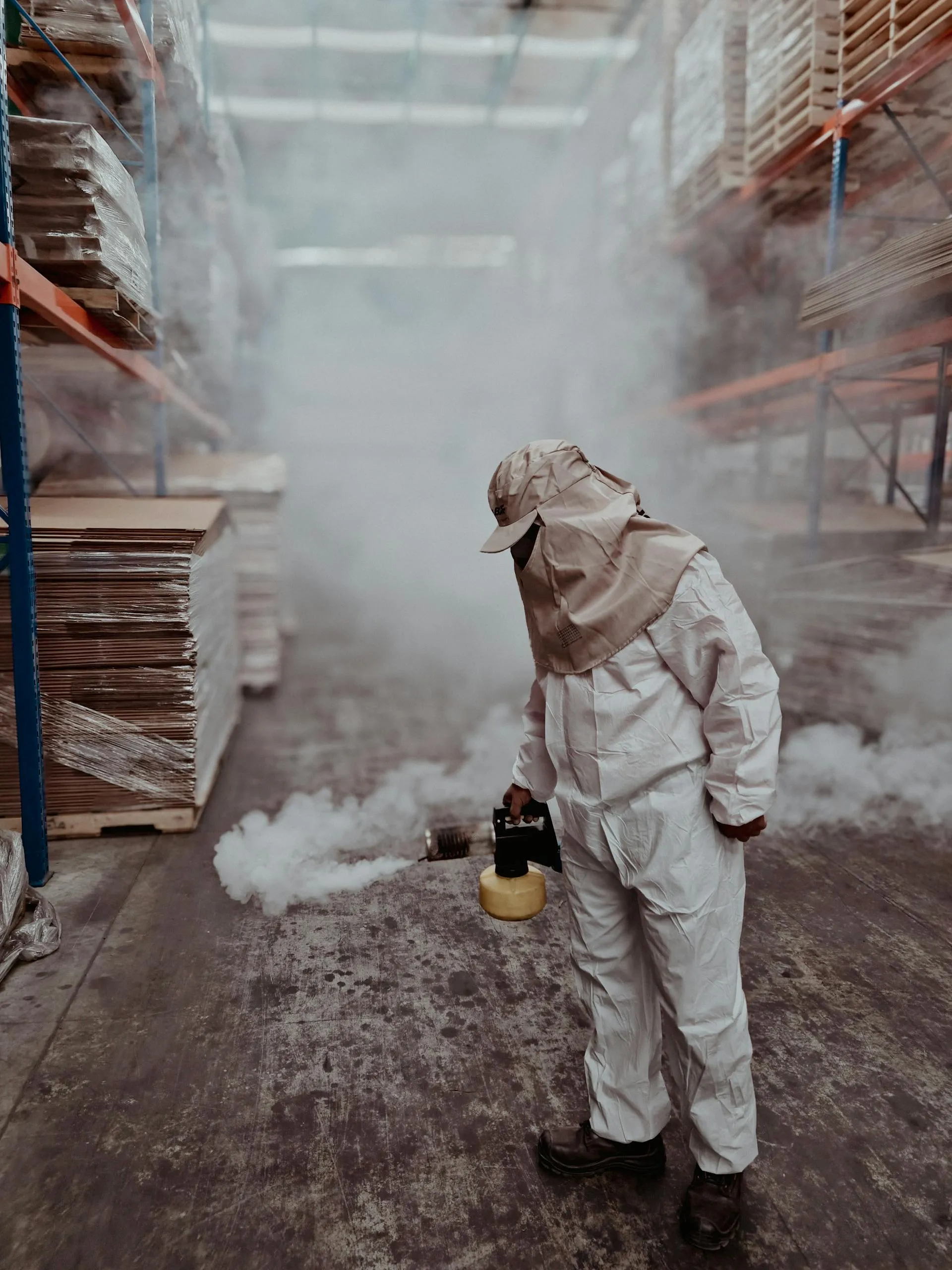
Termite Treatment Cost in Adelaide: 2026 Price Ranges
A termite treatment in Adelaide costs $800 to $3,500 for most residential jobs. A full perimeter barrier installation runs $2,500 to $6,500. A standalone inspection — the document that decides which treatment you need — costs $180 to $350. Spot remediations on a single architrave or pier can come in lower than $800; multi-elevation infestations on large two-storey homes can sit above $3,500. Every quote is written after an inspection. Anyone quoting termite treatment over the phone is guessing.
This guide is the longer version of those numbers. It explains what moves a quote up or down the band, which treatment system suits which property, and what to budget for the next 12 months on top of the headline price.
The three numbers, side by side
| Job | Adelaide range (2026) | What you get |
|---|---|---|
| Termite inspection | $180–$350 | AS 4349.3-2010 written report, severity-graded findings, photographs, recommendations |
| Termite treatment | $800–$3,500 | Active-colony elimination — chemical soil barrier, in-ground baiting, or direct-nest treatment, AS 3660.2-2017 compliant |
| Termite barrier installation | $2,500–$6,500 | Long-term protection system — chemical reticulation, retrofit physical barrier, or combined approach |
These ranges align with the strategic brief for the Adelaide market and reflect what licensed SA Health pest managers actually charge in 2026 for AS 3660-compliant work.
Why “termite treatment cost” needs three numbers, not one
A termite treatment is not one thing. The cost depends on what you’re treating, why you’re treating it, and what you want the building to look like in five years. The three numbers above answer different questions:
- The inspection answers: Are termites here, and what’s the severity? It is the precondition to any honest quote.
- The treatment answers: Eliminate the active colony I have right now. Targeted, AS 3660.2-2017 work.
- The barrier answers: Stop the next colony from getting back in. Long-term, AS 3660.2 retrofit on existing buildings or AS 3660.1-2014 install on new construction.
Most homes need at least two of the three. A property with active termites needs treatment now and a barrier consideration after — because eliminating the colony doesn’t remove the conducive conditions that brought it. A property without active termites still needs an annual inspection and a barrier review.
The cheapest possible answer (“$800”) is real but rarely the complete answer.
What termite treatment costs $800 to $3,500
A termite treatment in Adelaide ranges from $800 to $3,500 for residential work. The drivers:
What pushes a quote toward $800
- Localised, single-site activity. A single architrave, one wall cavity, an isolated pier — direct foam or dust treatment to the affected gallery, plus monitoring. Common on smaller detections found early during an annual inspection.
- Recent inspection in hand. If you’ve already paid for the AS 4349.3 report, you’re not paying twice.
- Single-storey, simple plan. Easy access to subfloor and external surrounds.
- No outbuildings. Sheds, granny flats and carports add scope.
- Slab-on-ground construction with clear perimeter. No paving, no decking, no heavily landscaped surrounds against the slab.
What pushes a quote toward $3,500
- Active workings on multiple elevations. Foraging perimeter has reached the structure on more than one face — typically a full chemical soil barrier with foam injection at active galleries.
- Restricted subfloor access. Crawl spaces under 600mm clearance increase labour time substantially.
- Heritage construction. Stone foundations, suspended timber floors, character-zone restrictions on physical disturbance — all push toward chemical reticulation rather than trenched barriers.
- Two-storey or split-level. More elevation, more linear metres of slab perimeter, more time on site.
- Heavily landscaped or paved perimeter. Pavers and decking against the slab edge add lift-and-replace costs to a chemical soil treatment.
- Outbuildings inside the treatment perimeter. Each shed or granny flat treated as a separate scope.
- Combined treatment systems. Chemical soil barrier plus direct-nest foam plus baiting around landscaped areas — three deployments, not one.
What you actually pay for in a $1,800 treatment
For context, a mid-band termite treatment on a typical Adelaide single-storey on a 600m² block — say a 1960s Mitcham brick-veneer with active workings localised to one elevation — usually breaks down something like this. (Indicative, not a quote.)
- Site preparation, mark-out and trenching of slab perimeter on the active elevation
- APVMA-registered termiticide (Termidor SC, Premise, or equivalent) applied at label rate
- Foam injection at the active gallery sites identified in the inspection
- Backfill, surface reinstatement and clean-up
- Written treatment plan citing AS 3660.2-2017
- 12-month service warranty against re-infestation in the treated zone, conditional on annual re-inspection
A homeowner paying $1,800 is buying labour, an APVMA-registered chemical product, application time at the slab edge, and a written warranty backed by an SA Health-licensed business. They are not buying “a spray.” Anyone selling “a spray” for $300 is selling something else.
What barrier installation costs $2,500 to $6,500
A termite barrier is the longer-term protection layer. Two structural options on existing Adelaide homes, plus the new-build case:
Chemical reticulation system (retrofit, AS 3660.2-2017)
A network of underground pipework around the building’s slab perimeter that delivers a replenishable termiticide directly to the soil. Installed once, replenished every 5–8 years without re-trenching.
- Typical 2026 Adelaide range: $3,500–$6,500 for a single-storey home on a standard block
- Drives toward the upper end: paving lift-and-replace; decking; heritage stone foundations; outbuildings; long perimeter
- Drives toward the lower end: clear soil perimeter, slab-edge access on every elevation, no landscaping interference
Reticulation is the system most often specified on heritage Adelaide stock where a one-off chemical soil treatment is non-permanent and re-trenching every 8 years is impractical.
Trenched chemical soil barrier (one-shot, AS 3660.2-2017)
A chemical termiticide applied to a trench dug along the slab perimeter, then backfilled. Service life 5–8 years before the protection chemistry depletes.
- Typical 2026 Adelaide range: $2,500–$4,500
- Drives toward the upper end: long perimeter, restricted access, paving
- Drives toward the lower end: simple block, clear perimeter, single-elevation focus
This sits in the overlap zone between “treatment” (active colony elimination) and “barrier” (forward protection). The same trench-and-chemical work serves both functions when caught at the right moment.
Pre-construction barrier (new build, AS 3660.1-2014)
For new builds and major extensions. The barrier system is installed at slab stage by the builder’s nominated termite installer and signed off with a durable notice in the meter box.
- Typical 2026 Adelaide range: $2,500–$5,500 depending on system (chemical reticulation, stainless steel mesh, graded-stone, hybrid)
- Cost is bundled into the build contract, not paid separately by the eventual owner
- AS 3660.1-2014 has been the only Deemed-to-Satisfy system under the National Construction Code since 1 May 2017 — there is no compliant alternative
What an inspection costs and why it matters
A standalone termite inspection in Adelaide runs $180–$350. A pre-purchase inspection runs $250–$450 because the scope is wider and the report is contractually load-bearing. (Detail in the pre-purchase termite inspection guide.)
Why pay for an inspection before a treatment?
- The treatment system depends on the species, the colony location, and the structural extent. Without a positive ID and a severity grade, the operator is guessing.
- AS 3660.2-2017 requires the inspection to inform the treatment. A treatment quote written without inspection evidence is non-compliant with the standard.
- The inspection becomes the warranty baseline. The 12-month service warranty on a Pest Fox treatment is conditional on annual re-inspection — which means the inspection cycle starts whether you want it to or not.
- Honest quoting requires it. A $800 treatment and a $3,500 treatment differ by what the inspection found, not by a discount.
The inspection cost is rolled into the treatment quote on most jobs — meaning if you proceed with treatment, the inspection fee is credited in. Worth confirming on the quote.
What moves the price up
A working list of the cost drivers, in rough order of impact:
- Severity and extent of active workings. Single-site vs multi-elevation is the largest single driver.
- Treatment system. Combined approaches (chemical soil + foam + baiting) cost more than single-system jobs.
- Building access. Restricted subfloors, two-storey, paved perimeters, decking — labour goes up.
- Building size. Linear metres of slab perimeter directly drives chemical-treatment cost.
- Heritage construction. Stone foundations, suspended timber floors, character-zone restrictions limit trenching options.
- Outbuildings inside the protection perimeter. Each is a separate scope.
- Garden and landscaping. Established plants close to the slab can require lift-and-replant.
- Foundation type. Slab-on-ground is straightforward; suspended timber floor on stumps is more complex.
- Soil type. Reactive clay (Prospect, Sefton Park, Mitcham foothills) holds chemistry differently to sandy loam (Henley Beach, Glenelg, coastal Onkaparinga).
- Urgency. Same-week treatment on an active colony costs more than a scheduled annual program job.
What moves the price down
- Catching it early. A localised infestation found at the 12-month inspection beats a structural-impact infestation found at 24 months by an order of magnitude.
- Annual program enrolment. Recurring 12-month inspection programs price treatment differently to one-off callouts. The warranty cycle is continuous; the operator’s cost-per-visit is lower.
- Bundled service area. Treatment + ongoing inspection bundled at signing, rather than re-priced annually.
- Clear access at quote. Operators quote conservatively when access is unknown. A walk-through that confirms subfloor access, slab-edge clearance, and outbuilding scope tightens the quote.
- Single-system suitability. A property suited to in-ground baiting alone (heavy landscaping, paved perimeter) avoids the combined-system uplift.
What you don’t pay for at Pest Fox
- Thermal imaging on inspections — included as standard, not a paid extra
- Re-quote after inspection — the inspection report is the quote basis
- Surprise add-ons — quotes are written, scope-fixed, and signed before work begins
- The 12-month service warranty — included on every treatment, conditional on annual re-inspection
DIY vs licensed treatment — the actual cost difference
Hardware-store termite products run $40–$200. They are diluted-strength surface treatments — useful for ant trails, useless against a Coptotermes acinaciformis colony with subterranean galleries up to 50 metres from the building. The chemicals that actually eliminate a colony (Termidor SC, Sentricon, Exterra) are not sold over the counter in Australia and require an SA Health Pest Management Technician’s Licence to apply.
What homeowners often pay for DIY:
- $200 in retail product spread along the slab edge
- $0 of warranty
- $5,000–$15,000 of structural damage repair when the missed colony is found 18 months later
The economic case for licensed treatment isn’t the headline price. It’s the cost of being wrong.
What’s included in the warranty
Every Pest Fox termite treatment includes a written 12-month service warranty against re-infestation in the treated zone. Conditions:
- Annual re-inspection at the 12-month mark (this is how the warranty stays current — and why annual inspection is the operative cost line, not a discretionary add)
- No disturbance of the treated zone (don’t lift soil against the slab edge, don’t bridge the barrier with mulch or pavers, don’t add irrigation reticulation through the treatment line)
- Honest reporting from the homeowner side — if you find new mud tubes between visits, call us, don’t sit on it
Warranty extension beyond 12 months follows annual program enrolment.
What you’ll spend on top of the treatment in year one
A practical budget for a homeowner who has just paid for a $1,800 treatment on a 1960s Mitcham brick-veneer:
- Treatment (paid): $1,800
- Annual re-inspection at month 12 (mandatory for warranty): $180–$280
- Optional reticulation upgrade if recommended in the report: $3,500–$6,500 (one-off, can be deferred)
- Conducive-conditions remediation (drainage, subfloor ventilation, slab-edge soil): variable, usually a builder’s scope, $200–$1,500
A homeowner who treats the headline number as the total cost gets surprised in month 12. Budgeting the inspection cycle from the start is what keeps the warranty alive.
Cost in context — what’s at risk
Coptotermes acinaciformis, the dominant termite species in South Australia, accounts for the majority of structural termite damage in Australia. Foraging galleries extend up to 50 metres from the colony. A missed infestation on an Adelaide character home — say a 1922 Norwood villa with suspended timber floors — can mean replacement of structural bearers and joists across an entire wing of the building. Repair quotes from registered builders for that scope typically run $30,000–$80,000 and are not covered by standard home insurance.
A $250 inspection that catches the infestation at month 6 instead of month 18 is the difference between a $1,800 treatment and a $30,000 repair. That is the cost case for the inspection, not the treatment.
When to spend on treatment vs barrier first
Common decision the homeowner faces after an inspection:
- Active termites found. Treatment first. The barrier conversation comes after the colony is eliminated and the conducive conditions have been remediated.
- No active termites, no historic damage, pre-1960 stock. Barrier consideration. AS 3660.2 inspection cycle continues. A retrofit chemical reticulation system is the long-term play if budget allows.
- No active termites, pre-1995 stock with original timber floors. Annual inspection program first. Barrier on the next renovation cycle when wall cavities are open and access is cheaper.
- New build under contract. AS 3660.1-2014 system is non-negotiable — it’s a building code requirement. Cost is in the build contract.
The detailed standards walkthrough sits in the termite inspections guide.
FAQ
How much does termite treatment cost in Adelaide? A residential termite treatment in Adelaide runs $800 to $3,500 in 2026. Localised, single-site jobs sit at the lower end; multi-elevation infestations on larger or heritage homes sit at the upper end. Quotes are written after inspection — phone quotes are guesses.
How much does a termite barrier cost? A retrofit chemical reticulation barrier on an existing Adelaide home runs $3,500–$6,500 for a single-storey property on a standard block. A trenched chemical soil barrier runs $2,500–$4,500. New-build pre-construction barriers (AS 3660.1-2014) run $2,500–$5,500 and are bundled into the build contract.
How much does a termite inspection cost in Adelaide? A standard residential AS 3660.2-2017 inspection in Adelaide runs $180–$350. Pre-purchase inspections run $250–$450 because the scope is wider and the report is contractually load-bearing.
Why is my quote different to my neighbour’s? The cost drivers are property-specific: severity of active workings, building size, access, foundation type, soil, paving, outbuildings, and treatment system. A 1960s brick-veneer in Mitcham and a 1922 villa in Norwood can both have termites and produce treatment quotes 3–4× apart for the same outcome.
Is the cheapest treatment a real option? A localised foam treatment on a single architrave for $800 is real if the inspection confirms a single-site, contained infestation. A $300 “termite spray” advertised over the phone without inspection is not — it doesn’t comply with AS 3660.2-2017, and the chemicals it implies aren’t sold over the counter.
Does insurance cover termite treatment? Standard home insurance in Australia generally excludes termite damage. The treatment cost is borne by the homeowner; the structural repair cost (where damage is found) is also borne by the homeowner. The cost case for annual inspection sits squarely against this exclusion.
What’s included in the 12-month service warranty? Every Pest Fox treatment includes a written 12-month service warranty against re-infestation in the treated zone, conditional on annual re-inspection. If termites re-enter the treated zone within 12 months and the warranty conditions have been met, the re-treatment cost is covered.
Can I just buy something from Bunnings and treat it myself? The chemicals that work on a Coptotermes colony — Termidor SC, Sentricon, Exterra — aren’t sold over the counter. Termite work in SA requires a Pest Controller’s Licence and a Full Pest Management Technician’s Licence under the Controlled Substances (Pesticides) Regulations 2017. Retail products are surface treatments for ants, not termites.
Sources
- AEPMA — Notes on updates to AS 3660-2:2017: https://aepma.com.au/News/32028/AEPMA_notes_on_updates_to_AS_3660-2_2017
- Standards Australia Store — AS 3660.1:2014 Termite management — Part 1: New building work: https://store.standards.org.au/product/as-3660-1-2014
- Australian Pesticides and Veterinary Medicines Authority (APVMA): https://www.apvma.gov.au/
- SA Health — Pest control licensing: https://www.sahealth.sa.gov.au/wps/wcm/connect/public+content/sa+health+internet/public+health/drugs+poisons+chemicals+and+contaminants/pest+control+licensing/pest+control+licensing