Pest Fox · Adelaide pest & termite specialists
Sandstone Villa Termite Risk Adelaide — Pre-1960 Heritage Reality | Pest Fox
By Pest Fox · Published 5 May 2026
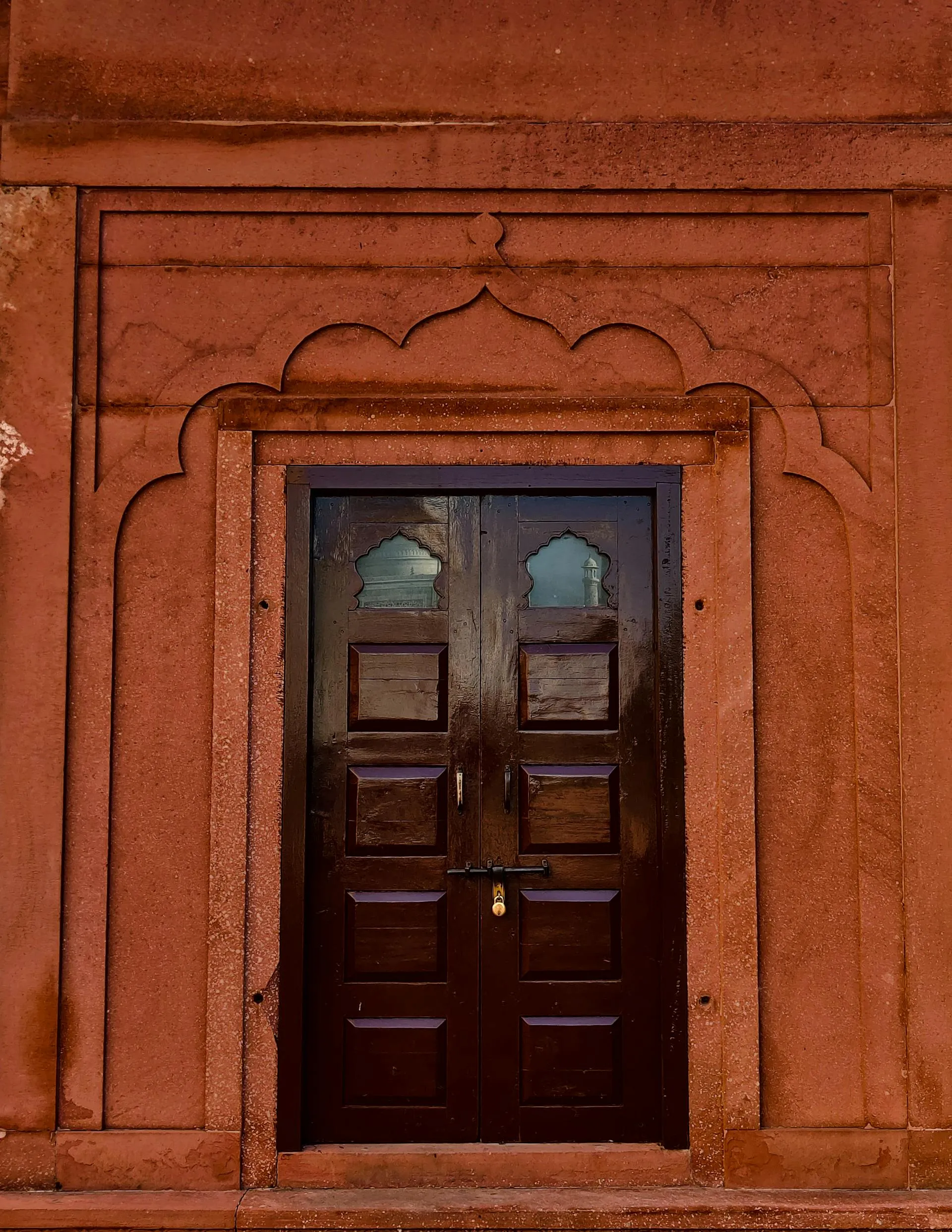
Sandstone Villas, Suspended Timber Floors and Termites: Why Pre-1960 Adelaide Houses Need Different Treatment
Pre-1960 Adelaide houses pre-date AS 3660.1 entirely — no compliant termite barrier was installed at construction, because the standard didn’t exist. AS 3660.1 wasn’t published until 1995, and earlier precursor standards didn’t apply to 1880s sandstone villas, 1920s brick cottages or 1950s weatherboards either. The combination of sandstone footings with mortar gaps, suspended timber floors with subfloor crawl spaces, mature heritage gardens with stumps and conducive landscaping, and mortar that has weathered for 60–140 years creates a termite-favourable environment that the AS 3660.2-2017 inspection regime is built to address. Heritage owners in Norwood, Unley, Walkerville, Semaphore, Prospect, North Adelaide, Port Adelaide and Gawler face a structural termite-risk profile materially different from a 2010 Mawson Lakes new-build.
This is the long version. It explains why the heritage profile is what it is, what an AS 4349.3 inspection looks for in a sandstone villa, what treatment options actually fit a heritage property (and which ones don’t), how the Heritage Character Zone overlay can constrain treatment, and the single biggest insurance misconception in the niche — Australian home insurance does not cover termite damage. Anywhere. Any policy.
If you own a pre-1960 Adelaide property and have not had a structural termite inspection in the past 12 months, this article is the case for booking one this month.
The pre-AS-3660 reality
The Australian Standard for termite management in new building work — AS 3660.1 — was first published in 1995. AS 3660.1-2014 is the current edition, and from 1 May 2017 the National Construction Code recognised only the 2014 edition as a Deemed-to-Satisfy Solution for termite management in new builds. The full standards framework sits in the termite inspections guide.
Before 1995, the regulatory framework looked like this:
- Pre-1958 — no national termite-management standard. Some state-level guidance existed but it was advisory, not mandatory, and almost never applied to residential construction. Termite management was at the builder’s discretion. In practice, this meant no installed barrier on most homes.
- 1958–1971 — early CSIRO-led guidance and isolated state initiatives, but still no binding standard. Builders who installed any termite protection typically used physical methods (ant capping over piers, granite chip layers under slabs in some commercial work) rather than chemical barriers.
- 1971–1995 — AS 1694 and other precursor documents existed but applied primarily to commercial and industrial construction. Residential termite management remained discretionary.
- 1995 onward — AS 3660.1 published; termite barriers became a code requirement for new residential construction.
The implication for heritage stock is direct: a sandstone villa built in 1885, a brick cottage built in 1925, a weatherboard built in 1955 — none of these were built with a compliant termite barrier. The barrier (where one exists today) was either retrofitted decades after construction, or never installed at all. AS 3660.2-2017 — the standard for existing buildings — is the regulatory framework the heritage stock now operates under.
This is not a deficiency-of-the-builder finding. It is a sequencing reality: the homes pre-date the standard. The implication is that the termite-management regime for heritage stock relies on inspection cadence and retrofit treatment, not on built-in barrier compliance.
Why sandstone footings are termite-friendly
Sandstone is the dominant Adelaide heritage construction material — locally quarried, structurally adequate for two-storey villas, aesthetically distinctive. It is also a material with several properties that favour subterranean termite movement.
- Mortar gaps allow concealed entry. Sandstone is laid with lime mortar (in older construction) or lime-cement mortar (in later heritage). Both weather over time. After 80–140 years, mortar joints develop hairline cracks, gaps at the soil interface, and voids where rendering has come loose. Termites build mud tubes through these gaps and travel concealed from the inspector’s eye.
- Sandstone weathers and cracks. The stone itself develops surface cracks, particularly where rising damp or salt damp has been active. Termites use these cracks as entry routes from the soil into structural cavities.
- Rendering covers earlier termite damage. Many Adelaide heritage properties have been rendered (cement render over the original sandstone) at some point in the 20th century. Render conceals the original mortar joint reality and any earlier termite damage. The inspector reads the building from the render outward; the colony reads the building from the soil inward.
- Ant cap rare or absent on heritage footings. Modern construction places galvanised ant caps over piers and at the slab perimeter. Heritage construction predates this convention. Where ant capping has been retrofitted, it has often been over the wrong elements or with gaps that defeat its purpose.
- Salt damp and rising damp interaction. Heritage Adelaide properties are routinely affected by salt damp and rising damp; both elevate subfloor moisture, which is the second variable a termite colony cares about. Mortar gaps + elevated moisture = a colony’s preferred entry profile.
The combined effect: a sandstone-villa exterior wall, viewed from the soil up, has more termite-favourable entry routes than a 2015 brick-veneer wall by an order of magnitude. None of this is reason to panic; it is reason to inspect at the cadence the construction profile actually warrants.
Suspended timber floors and the subfloor crawl-space
The second heritage-specific risk variable is the suspended timber floor. Most pre-1960 Adelaide villas, cottages and weatherboards have:
- Bearer-and-joist construction over piers — typically jarrah or stringybark bearers on brick or sandstone piers, with hardwood joists at standard spacing
- Hardwood floorboards — Baltic pine, jarrah, or red gum
- A subfloor crawl space ranging from 300 mm to 1 m clearance
- Subfloor ventilation through external air bricks or vent grilles
- Original or retrofitted ant capping of varying quality
What this construction profile means for termite risk:
- Concentrated structural timber. The bearers, joists and floorboards are the largest single concentration of cellulose in the building. A successful colony in the subfloor has access to the structural skeleton of the house.
- Subfloor ventilation issues. Subfloor air bricks and vents become blocked over time — by garden bed soil rising against the wall, by mulch, by paving extensions, by added landscaping. Blocked vents trap moisture; trapped moisture invites colonies.
- Inspection access reality. Subfloor crawl access varies dramatically across Adelaide heritage stock. Some properties have full standing-height crawl spaces; others have 300 mm clearances that require a slim inspector to belly-crawl with a torch. AS 4349.3-2010 requires inspectors to access “all parts of the building reasonably accessible” — what’s reasonably accessible varies by property.
- Conducive conditions concentrate. Old subfloors typically contain decades of accumulated debris — offcuts, cardboard storage, old building materials, dropped insulation. All cellulose, all conducive.
A standard inspection of a heritage property with a suspended timber floor takes longer (often 90–120 minutes vs the 60–90-minute standard), produces a more detailed report, and warrants a closer look at conducive conditions than a slab-on-ground new-build.
Mature heritage gardens and conducive conditions
Heritage Adelaide suburbs have mature gardens — often 80–120-year-old trees, established planting, complex landscaping with retaining walls, original outbuildings, and accumulated garden additions over generations. Beautiful. Also: a checklist of termite-conducive conditions.
Common heritage-property conducive conditions:
- Stumps left in place from felled garden trees. The 1960s eucalypt that came down in 1995 may still be in the soil 30 years later — the most attractive cellulose source on the property.
- Old timber retaining walls. Sleeper retaining walls dating from various decades, often unsealed, often in soil contact.
- Firewood stacks against the slab edge. Common on heritage properties with traditional fireplaces.
- Established mulch beds against walls. Particularly hardwood mulch in deep beds where moisture stays held.
- Untreated landscaping timber. Garden borders, raised beds, decorative timber edging — much of it pre-treatment-era.
- Soil-contact deck and verandah posts. Heritage verandah posts often sit directly on soil or on small concrete pads that have weathered.
- Mature trees within 5 metres of the building. Root systems extend the soil moisture profile; foliage touching the building creates an above-ground access route.
- Original outbuildings. Coach-houses, original laundry blocks, woodsheds — usually with weathered timber, often within 10 metres of the main building.
The remediation work on conducive conditions is straightforward and substantially cheaper than treating an established colony. Most heritage owners can dramatically reduce their termite risk profile in a weekend by removing two stumps, lifting a sleeper retaining wall off soil contact, and pulling firewood and mulch back from the wall. For the buried-stump piece specifically — old eucalypt rootballs that grinding alone won’t fully address — booking Adelaide stump removal takes the cellulose source out of the soil entirely, which is what the long-term termite-risk profile actually needs.
The Adelaide suburbs where this matters most
Heritage stock is concentrated in specific Adelaide suburbs. Per the Pest Fox local-SEO plan, the following carry materially higher heritage-stock termite risk profiles:
East and inner-east
- Norwood and Norwood, Payneham & St Peters LGA — sandstone villas, 1880s–1920s housing, established gardens. The Norwood location page covers the local detail.
- Unley — sandstone villas and cottages, 1880s–1930s housing, mature streetscapes.
- Burnside — older eastern foothills stock plus heritage estates.
Inner-north
- Prospect — predominantly Federation and inter-war housing, 1900s–1940s, with early-suburb sandstone presence.
- North Adelaide — significant pre-1880 stock alongside grand Victorian residences.
- Walkerville — heritage estate suburbs with strong pre-1920 stock.
West
- Semaphore and Port Adelaide — coastal heritage, sandstone and brick, often with additional salt-damp pressure.
- The western suburbs — patches of heritage stock through the Charles Sturt LGA. The western suburbs location page carries the local context.
Outer
- Gawler heritage township — pre-1900 commercial and residential stock with distinct construction profiles.
- Aldgate, Stirling, Mount Lofty (Adelaide Hills) — heritage stock plus the hills bushland-edge dimension.
If you own a pre-1960 home in any of these suburbs, the inspection-and-treatment profile in this article applies directly. Generic “termite control Adelaide” advice doesn’t.
What an AS 4349.3 inspection looks for in heritage stock
The standard residential AS 4349.3-2010 inspection covers subfloor, internal timbers, roof void, external surrounds and outbuildings within 30 metres. In heritage stock, the scope and depth shift materially.
Subfloor crawl with thermal imaging
The subfloor in a heritage property is the highest-yield zone of the inspection. The inspector:
- Belly-crawls or stoop-walks the full subfloor (where access permits)
- Uses thermal imaging to identify temperature anomalies that indicate active termite galleries
- Uses a moisture meter at every pier base, against external walls, and at any darker patches
- Examines every pier, every bearer-pier interface, every floor-joist hanger
- Looks for mud tubes on piers, on internal stem walls, and along the soil-to-pier interface
- Inspects ant capping where present and notes its absence where it should be
- Identifies and lists every subfloor conducive condition (debris, stored timber, blocked vents)
A thorough subfloor inspection in a heritage property takes 30–45 minutes alone.
Subfloor moisture mapping
Moisture is the single best predictor of subterranean termite activity. The inspector:
- Reads moisture at every pier and every external wall base
- Notes any moisture readings above the local norm (typically 12–18% in dry summer subfloors; readings above 25% warrant flagging)
- Identifies the source of any elevated moisture — leaking plumbing, blocked drainage, rising damp, salt damp, condensate
Mud-tube survey on every pier and stump
Mud tubes are the diagnostic indicator of active foraging. The inspector:
- Checks every pier — both faces, top and bottom
- Checks all stem-wall and skirting interfaces
- Checks any in-soil stumps within 50 m of the building
- Checks all retaining walls in soil contact
- Photographs any suspect tube before disturbance
Footing-edge probe where access permits
Where the perimeter footing is accessible (not buried under landscaping), the inspector probes mortar joints and any visible cracks for active gallery activity.
Internal timber inspection
The inspector taps and probes:
- Skirting boards (every room)
- Architraves and door frames (every door)
- Window frames and sills (every window)
- Floorboards in any visible-grain condition
- Built-in cabinetry
- Any visible structural timber
Roof-void survey
The roof void in heritage construction often contains original hardwood rafters, ceiling joists and hip beams. The inspector:
- Walks the void where accessible
- Reads moisture at any darker patches or stain marks
- Checks rafters and ceiling beams for galleries
- Identifies any conducive conditions (stored timber, water leak evidence)
External surrounds and outbuildings
Within 30 m of the building:
- All garden trees and stumps catalogued
- All retaining walls inspected
- Outbuildings inspected to the same standard as the main building
- Soil-contact timber identified and noted
- Conducive conditions photographed and listed
A full heritage-property AS 4349.3 inspection in Adelaide takes 90–150 minutes and produces a 12–25-page report. Cost runs $280 to $450 for heritage stock — slightly above the standard $180–$350 band because of the additional time on site.
Treatment options in heritage properties
The treatment palette for heritage properties is narrower than for slab-on-ground modern stock. Each option below has heritage-specific constraints.
Chemical perimeter barrier — limited applicability
Standard slab-on-ground chemical barriers use trenched soil treatment along the slab perimeter. In heritage properties:
- Sandstone or stone perimeter footings make trenching against the building difficult or impossible without disturbing the footing
- Garden beds and landscaping against the wall complicate the perimeter trench
- Heritage Character Zone overlay restrictions (see below) may prevent significant ground disturbance against the building
- Mortar joints in the footing create lateral pathways the chemical barrier doesn’t reliably address
Chemical perimeter barrier is sometimes possible on heritage properties — typically where the perimeter is open and accessible — but it is rarely the primary treatment option.
Reticulation — usually the practical answer
Reticulation systems install a permanent network of small-diameter pipework around the building perimeter and inject the chemical termiticide through that pipework on a recharge cycle (typically every 5–8 years). On heritage properties:
- Pipework can route around heritage features without major ground disturbance
- Recharging via injection ports does not require re-trenching at each treatment cycle
- Combined approach with trenching in accessible areas + reticulation in restricted areas is often the optimal treatment design
For heritage stock specifically, reticulation is frequently the most practical treatment — it accommodates the access constraints, it works around the heritage construction profile, and it can be installed with minimal visible impact to the property.
Baiting — works around heritage stone
In-ground baiting stations use cellulose bait (matrix containing a chitin-synthesis inhibitor) installed at intervals around the perimeter. On heritage properties:
- Stations install in soil at perimeter without disturbing footing or stone
- Monitoring cycle (typically every 8–12 weeks) provides ongoing colony detection
- Cost-effective for properties where chemical treatment is constrained
- Particularly suited to bushland-edge or reserve-adjacent heritage properties (foothills heritage especially)
Baiting alone is rarely the only treatment but is often a strong primary or supporting layer.
Physical retrofit — usually impractical
Physical termite barriers (stainless mesh products, graded stone barriers) are designed for new construction. Retrofitting them to heritage properties typically requires:
- Excavation against the building
- Disturbance of the perimeter footing
- Major structural intervention to install slab-perimeter or pier-base mesh products
This is rarely cost-effective on heritage stock and is usually impractical without invasive structural work.
What treatment selection actually looks like
For most heritage Adelaide owners, the treatment design is:
- Reticulation as the primary chemical layer around accessible perimeter
- Baiting stations as supplementary at non-accessible sections and at mature-tree zones
- Targeted direct-nest treatment if active workings are found at inspection
- Conducive condition remediation as the immediate action item — stumps, mulch, firewood, ventilation
- Annual AS 4349.3 inspection as the ongoing regime
Cost ranges (per the termite treatment cost guide for the broader picture):
- Treatment of active workings — $1,200–$3,500 for typical heritage scope
- Reticulation install — $3,500–$7,500 depending on property perimeter
- Baiting program — $1,500–$3,500 setup plus ongoing monitoring
- Combined retrofit treatment — $5,000–$12,000 for full heritage-property protection
Every heritage property is individually scoped. Phone quotes are not real quotes for heritage work.
The Heritage Character Zone overlay impact
Many of the Adelaide suburbs above sit inside Heritage Character Zones under Part 10 of the South Australian Planning and Design Code (PlanSA). Where the property is also individually listed on the SA Heritage Register or is a Local Heritage Place, additional restrictions apply.
What this means for termite work:
- Significant ground disturbance against the building may require council development assessment
- External fabric changes (rendering, footing repair, ant-cap retrofit) in some character-listed properties require approval
- Removal of mature trees identified as significant in the local character zone requires council approval — and stump-grinding within the property may also be regulated
- Reticulation systems generally do not require approval (small-bore pipework, routed at or below ground level) but should be confirmed with council on character-listed individual properties
- Like-for-like maintenance is generally exempt — including repairing damaged sandstone footings and replacing structural timbers compromised by termite damage
The Heritage Character Zone overlay does not prevent termite treatment — it does require thoughtful treatment design and, in some cases, prior council notification. A licensed pest manager experienced with heritage Adelaide stock should know which restrictions apply to which suburbs and route the treatment design accordingly.
Insurance and termite damage — the misconception to clear up
This is the single biggest misconception in the niche, and it is worth being direct.
Standard Australian home and contents insurance does not cover termite damage to your own property. Anywhere. Any policy. No exceptions worth relying on.
The exclusion is universal across major Australian insurers — NRMA, Suncorp, Allianz, QBE, GIO, RAA, and the Insurance Council of Australia member insurers. The exclusion appears in the Product Disclosure Statement (PDS) of essentially every home insurance product issued in Australia.
Why insurers exclude termite damage:
- Termites are insects. Australian home insurance policies routinely exclude damage caused by insects, vermin, and similar gradual-action organisms. Termite damage falls into this exclusion category.
- Gradual-action vs sudden-event. Insurance is structured around sudden, accidental events — fire, storm, theft, escape of liquid. Termite damage develops gradually over months or years and is treated as a maintenance issue, not an insurable event.
- Preventability. Insurers position termite damage as preventable through inspection cadence and treatment. The corollary: if damage develops, the position is that the homeowner failed to maintain the property to the inspection standard.
What is sometimes covered (read your PDS carefully):
- Some policies cover sudden, accidental damage caused by termites in narrow scenarios — typically the immediate consequences of a structural failure caused by undetected termite damage. These clauses are heavily caveated and rarely apply in practice.
- Termite damage to neighbouring property caused by an active colony on your land may interact with public liability cover in some scenarios, but this is highly policy-specific.
What you should do:
- Read your PDS. Specifically look for “vermin,” “insects,” “gradual deterioration,” and “termite” as excluded perils. Almost every Australian PDS has all four.
- Treat termite management as an out-of-pocket maintenance cost. Annual AS 4349.3 inspection ($280–$450 for heritage stock), retrofit treatment when needed, ongoing reticulation or baiting program — all of this comes from your own maintenance budget, not from insurance.
- Pest manager treatment warranty is the closest thing to “insurance” in this niche. A reticulation system installed with a warranty (typically 5–8 years) plus an annual inspection cycle is the homeowner’s effective protection layer. Insurance does not fill this role.
This misconception costs heritage owners genuine money — the annual inspection that gets skipped because “the insurance will cover it if anything happens” results in 5–10 years of undetected damage that costs $40,000–$120,000 to remediate, with zero insurance recovery. The $280–$450 annual inspection is the cheapest form of risk management in heritage ownership.
Buying or selling a pre-1960 villa — the inspection imperative
The buy-or-sell decision on a heritage property turns on the inspection. The pre-purchase inspection is a separate document type from the standard annual inspection, with its own scope and reporting requirements. The full framework sits in the pre-purchase termite inspection article.
For heritage stock specifically:
If you are buying
- Insist on a pre-purchase AS 4349.3-2010 inspection before signing or as a condition of contract. Heritage stock has too much history to skip this step.
- Review the report’s severity grading carefully — heritage properties commonly have historical termite damage from past activity (which has been treated) plus active findings (which have not). Both matter for the purchase decision.
- Walk the report with the inspector if possible. The detail in a heritage report rewards the conversation in a way a slab-on-ground report rarely does.
- Use the report as a negotiation document. A finding of “moderate evidence of past termite activity, current treatment recommended” is a $3,500–$8,000 reduction-from-purchase-price conversation, not a deal-breaker, and the inspector’s report supports it.
- Re-inspect at 12 months post-purchase as the baseline of your ongoing inspection cycle.
If you are selling
- Pre-listing inspection is increasingly common in heritage stock. A current AS 4349.3 report on the property at listing means buyers don’t need to wait for their own inspection, which speeds the contract path.
- Disclose any known termite history — historical damage that has been treated is a positive disclosure when paired with current treatment evidence; concealment is a future legal exposure.
- Have the most recent treatment certificate available — reticulation install certificates, baiting program reports, conducive condition remediation evidence all reduce the buyer’s perceived risk.
The signs of termites in Adelaide homes guide covers what an owner should be watching for between inspections; the spring termite swarm article covers the annual alate flight that is heritage owners’ single most important sighting moment.
What the regulatory and inspection framework adds up to
Heritage owners face a different practical regime than slab-on-ground new-build owners.
| Variable | Slab-on-ground new build | Pre-1960 heritage stock |
|---|---|---|
| Initial barrier | AS 3660.1-2014 compliant install at construction | None at construction; retrofit if any |
| Construction-stage standard | AS 3660.1-2014 | Pre-dates standard |
| Existing building standard | AS 3660.2-2017 | AS 3660.2-2017 |
| Inspection regime | AS 4349.3-2010 annual | AS 4349.3-2010 annual (or more frequent) |
| Typical inspection time | 60–90 min | 90–150 min |
| Typical inspection cost | $180–$320 | $280–$450 |
| Treatment palette | Full (chemical, physical, baiting, reticulation) | Restricted (reticulation + baiting dominant) |
| Conducive conditions | Often minimal | Often substantial; remediation pays |
| Typical risk profile | Lower (built-in barrier) | Higher (no built-in barrier + heritage construction) |
| Insurance coverage of damage | None | None |
The headline: heritage owners pay slightly more per inspection, treat with a different palette, and rely more heavily on inspection cadence + retrofit treatment than on built-in barrier compliance. The economics work out roughly equivalent over a 20-year ownership horizon — but only for owners who actually run the inspection cadence. Heritage owners who skip inspections face dramatically worse outcomes than slab-on-ground owners who skip inspections, because the underlying construction risk is higher.
FAQ
Are sandstone houses more prone to termites? Pre-1960 sandstone construction in Adelaide presents a higher termite-risk profile than modern slab-on-ground brick veneer. Mortar gaps in weathered sandstone provide concealed entry routes; suspended timber floors concentrate structural cellulose; subfloor moisture and ventilation issues favour colonies. The construction is not “termite-attractive” in a chemical sense — it is termite-favourable in a structural sense. Annual AS 4349.3-2010 inspection mitigates the risk effectively; skipping inspection compounds it dramatically.
Does home insurance cover termite damage? No. Standard Australian home insurance does not cover termite damage to your property. The exclusion is universal across all major Australian insurers — NRMA, Suncorp, Allianz, QBE, GIO, RAA — and appears in the Product Disclosure Statement of essentially every home insurance product issued in Australia. Termites are classified as insects/vermin and as gradual-action damage, both standard exclusion categories. Read your PDS for confirmation. Treat termite management as an out-of-pocket maintenance cost, not an insurance event.
How often should a Norwood villa be inspected for termites? Standards Australia recommends not more than 12 months between inspections for most properties under AS 3660.2-2017. For heritage stock — Norwood, Unley, Walkerville, Semaphore, Prospect, North Adelaide, Port Adelaide, Gawler — annual is the floor; 6-monthly is appropriate where active history exists, where conducive conditions are substantial, or where the property sits on a high-risk profile (mature trees within 5 m, established stumps, suspended timber floor with restricted subfloor access).
Can I install a termite barrier on a heritage house? Yes — but the treatment palette is narrower than for slab-on-ground modern construction. Reticulation is the primary practical option (small-bore pipework around the perimeter, recharged on a 5–8-year cycle); baiting stations supplement at perimeter sections and around mature trees; targeted direct-nest treatment addresses any active workings. Trenched chemical perimeter is sometimes possible but often constrained by stone footings, landscaping, and Heritage Character Zone considerations. Physical retrofit is rarely cost-effective. A heritage-experienced licensed pest manager designs the retrofit to fit the property; phone quotes are not real quotes for heritage work.
Are termites worse in old Adelaide suburbs? The species is the same — Coptotermes acinaciformis dominates across the Adelaide metropolitan area. The construction profile is what differs. Pre-1960 housing stock in Norwood, Unley, Prospect, Walkerville, Semaphore, North Adelaide, Port Adelaide and Gawler heritage township carries a higher risk profile because the construction pre-dates AS 3660.1, includes sandstone and suspended-timber-floor elements, and typically sits in mature gardens with substantial conducive conditions. The risk is manageable through inspection cadence; it is not manageable through neglect.
What does a heritage termite inspection cost in Adelaide? Heritage AS 4349.3-2010 inspections in Adelaide run $280 to $450 in 2026, slightly above the standard $180–$350 band. The premium reflects 90–150 minutes on site (vs 60–90 minutes for standard slab-on-ground), thermal imaging and moisture mapping in the subfloor, detailed pier-by-pier inspection, and a 12–25-page report. The cost is the cheapest form of risk management heritage ownership offers, particularly given that home insurance does not cover termite damage.
Should I be worried if I find shed wings on the windowsill? Yes, in the sense that warrants immediate inspection. Shed wings on a windowsill or under a porch light are termite alate evidence — diagnostic of a mature colony within 50–100 metres and possibly already in your structure. Adelaide Coptotermes alates fly in late spring and early summer (typically October to December) after warm-evening rainfall. The full identification and first-response framework sits in the spring termite swarm article. Capture three to four wings or alate bodies in a sealed dry jar for the inspector and book the inspection inside the week.
Sources
- Standards Australia — AS 3660.1-2014 Termite management — Part 1: New building work: https://store.standards.org.au/product/as-3660-1-2014
- Standards Australia — AS 3660.2-2017 Termite management — Part 2: In and around existing buildings and structures: https://store.standards.org.au/product/as-3660-2-2017
- Standards Australia — AS 4349.3-2010 Inspection of buildings — Part 3: Timber pest inspections: https://store.standards.org.au/product/as-4349-3-2010
- PlanSA — State Planning Policies and the Planning and Design Code (Heritage Character Zone): https://www.plan.sa.gov.au/state_planning_policies
- Insurance Council of Australia: https://insurancecouncil.com.au/
- AEPMA — Coptotermes acinaciformis heritage-property technical guidance: https://aepma.com.au/
- South Australian Heritage Council: https://heritagecouncil.sa.gov.au/
- CSIRO — Australian termite biology: https://www.csiro.au/